The Monitor That Changed My Workflow: A Developer's Deep Dive
After years of working on a cramped 24-inch display, I finally made the switch to the LG 27UP850N-W, and the difference is night and day.
Read ArticleBrowse all our reviews, guides, and insights from the Amigos team.
We tested the new LG UltraGear OLED GX7 with its incredible 480Hz refresh rate and 0.03ms response time. Here's our verdict after months of daily use.
Read ArticleAfter years of working on a cramped 24-inch display, I finally made the switch to the LG 27UP850N-W, and the difference is night and day.
Read ArticleLong coding sessions demand proper hydration. We tested sugar-free electrolyte tablets to see if they help maintain focus and energy.
Read ArticleA compact flatbed scanner that connects via USB-C and doesn't need a power adapter. We tested it for everyday office scanning tasks.
Read ArticleA 6.2L air fryer that transforms lunch breaks. We tested if it's worth the desk space for healthier office meals.
Read ArticleA pocket-sized projector for client meetings and off-site presentations. We tested if it delivers when you're away from the office.
Read ArticleA wireless all-in-one photo printer with 6-ink system. We tested it for everything from contracts to team photos.
Read ArticleA 4TB portable SSD with 2,000MB/s speeds and 3m drop resistance. We tested it for backups, video editing, and on-the-go storage.
Read ArticleA 5-port Gigabit PoE switch that powers devices over ethernet. We tested it for IP cameras, access points, and cleaner cable management.
Read ArticleNo articles found in this category yet. Check back soon!

As an Amazon Associate, we earn from qualifying purchases.
As developers, we spend countless hours in front of screens, often forgetting the basics like proper hydration. Coffee and energy drinks become our go-to, but they can leave us feeling jittery and dehydrated. That's why we decided to explore electrolyte tablets as a healthier alternative.
Dehydration, even mild, can significantly impact cognitive function. Studies show that losing just 1-2% of body water can affect concentration, alertness, and short-term memory - all critical for writing clean code and solving complex problems.
The problem is that plain water doesn't always cut it, especially during long coding sessions or when you've had one too many coffees. That's where electrolyte supplementation comes in.
We tried HIGH5 ZERO Electrolyte Tablets in the Strawberry & Kiwi flavour. These effervescent tablets dissolve in water to create a refreshing drink that replenishes essential electrolytes lost through daily activities.
We had several team members use these tablets over a few weeks during their regular work routine. Here's what we found:
Taste: The Strawberry & Kiwi flavour is genuinely pleasant - not overly sweet or artificial. It makes hitting your daily water intake much easier when you actually enjoy what you're drinking.
Convenience: Just drop a tablet into your water bottle and you're done. No measuring powders or mixing required. Perfect for the desk-bound developer.
No Sugar Crash: Unlike energy drinks, there's no spike and crash cycle. The sustained hydration helped maintain consistent energy levels throughout the day.
Not a Magic Solution: These tablets supplement good hydration habits - they don't replace the need for adequate water intake and breaks.
Taste Preference: While we enjoyed the flavour, taste is subjective. The brand offers multiple flavours if this one doesn't suit you.
For our team, electrolyte tablets have become a regular part of our desk setup. They're not going to write code for you, but proper hydration is an often-overlooked aspect of maintaining peak mental performance.
If you find yourself reaching for sugary drinks or struggling with afternoon fatigue, trying a sugar-free electrolyte supplement might be worth exploring. It's a small change that could make a meaningful difference in how you feel during those marathon coding sessions.
As an Amazon Associate, we earn from qualifying purchases.
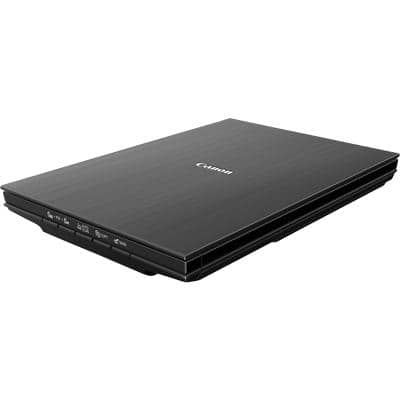
In an increasingly digital world, we still find ourselves dealing with paper documents more often than we'd like. Whether it's contracts, receipts, handwritten notes, or old photos, having a reliable scanner at your desk can save countless trips to the office printer room. We've been using the Canon LiDE 400 flatbed scanner for several months, and here's what we think.
Working remotely means dealing with paperwork differently. Signing contracts, archiving receipts for expenses, or simply keeping digital backups of important documents - these tasks pop up more frequently than you'd expect. We wanted something compact that wouldn't dominate desk space but could handle occasional scanning needs efficiently.
The Canon LiDE 400 is a colour flatbed scanner designed for home and small office use. It's part of Canon's LiDE series known for their slim profile and USB-powered operation.
Setup: Getting started was genuinely straightforward. Connect the USB-C cable, install the software, and you're scanning within minutes. No hunting for power outlets or dealing with bulky adapters.
Size and Storage: The slim profile is a real selling point. When not in use, it stands upright like a book on your desk or slides into a drawer. For those of us with limited desk real estate, this matters.
Scan Quality: For documents and receipts, the quality is more than adequate. Text comes out crisp and readable, which is exactly what you need for archiving. Photos scan reasonably well too, though dedicated photo scanners would offer better results for serious photography work.
Speed: Scanning a standard A4 document takes about 8 seconds at 300dpi. It won't win any speed records, but for occasional use, it's perfectly acceptable.
Software: Canon's scanning software is functional without being bloated. The auto-fix features do help clean up document scans, correcting for slight skewing and enhancing text clarity.
No Automatic Document Feeder: This is a flatbed-only scanner. If you regularly need to scan multi-page documents, you'll be lifting the lid for each page. For high-volume scanning, you'd want something with an ADF.
USB-C Cable Length: The included cable is fairly short. Depending on your setup, you might need a longer one or a USB hub.
Software Installation: While setup is simple, the Canon software does require downloading drivers. This is standard for scanners, but worth noting.
The Canon LiDE 400 does exactly what it promises - it's a compact, easy-to-use flatbed scanner that handles everyday scanning tasks without fuss. The USB-C powered design means one less cable and adapter to worry about, and the slim form factor is genuinely space-friendly.
It's not designed for heavy-duty office scanning or professional photo archiving, but for the typical home office user who needs to scan documents a few times a week, it's a solid choice. Sometimes the best tools are the ones that just work without demanding attention, and the LiDE 400 fits that description well.
For our team, it's become the go-to solution for quickly digitising paperwork, and we appreciate that it doesn't take up permanent desk space when not in use.
As an Amazon Associate, we earn from qualifying purchases.
When you spend most of your day at a desk, lunch can easily become an afterthought - a sad sandwich eaten while staring at code, or an overpriced delivery that arrives cold. We decided to test whether having an air fryer in the office could transform our midday meals without turning the workspace into a kitchen.
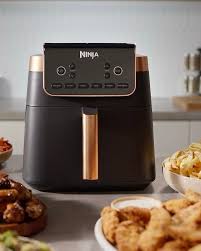
The Ninja Air Fryer MAX PRO with its 6.2L capacity in the Black & Copper finish. This is the single drawer model designed for family-sized portions, which translates well to office batch cooking.
Speed that respects lunch breaks: Most meals cook in 15-20 minutes. We've made crispy chicken, roasted vegetables, and even reheated leftovers to near-restaurant quality - all within a standard lunch hour.
Genuinely healthier meals: Without needing oil, we've cut significant calories from lunches. Chips come out crispy, chicken stays juicy, and vegetables get that roasted char we love - all with minimal fat.
The square basket is a game-changer: Unlike round air fryers, the square design means we can lay food flat. No more stacking items and hoping the middle pieces cook properly.
Clean-up is office-friendly: The dishwasher-safe basket means no scrubbing at the office sink. We just let it cool, take it home, and pop it in the dishwasher.
Quieter than expected: The fan noise is present but not disruptive. It's comparable to a coffee machine - noticeable but not conversation-stopping.
Size requires planning: At 6.2L, this isn't a compact appliance. You'll need dedicated counter or storage space. We keep ours on a side table near the kitchen area.
The cooking smell: While not as intense as traditional frying, there is some aroma when cooking. Good ventilation or proximity to a window helps.
Learning curve exists: Different foods need different times and temperatures. The first few attempts might not be perfect as you learn what works.
The Ninja Air Fryer MAX PRO has genuinely changed how our team approaches lunch. What started as an experiment has become an office staple, with team members taking turns bringing in ingredients for group cooking sessions.
Is it essential office equipment in the traditional sense? Perhaps not. But in terms of improving daily work life, reducing lunch costs, and encouraging healthier eating habits during long coding sessions - it's been one of our better investments.
The 6.2L capacity is perfect for cooking multiple portions, the dishwasher-safe parts make clean-up reasonable for an office environment, and the results genuinely rival takeaway food. If your workplace has the space and a culture that would embrace communal cooking, the Ninja MAX PRO is worth serious consideration.
As an Amazon Associate, we earn from qualifying purchases.
When your work takes you beyond the office walls - client sites, co-working spaces, or impromptu meeting rooms - presenting from a laptop screen becomes awkward fast. We've been testing the KODAK Luma 150 Pocket Projector to see if it can turn any wall into a presentation space without the bulk of traditional projectors.
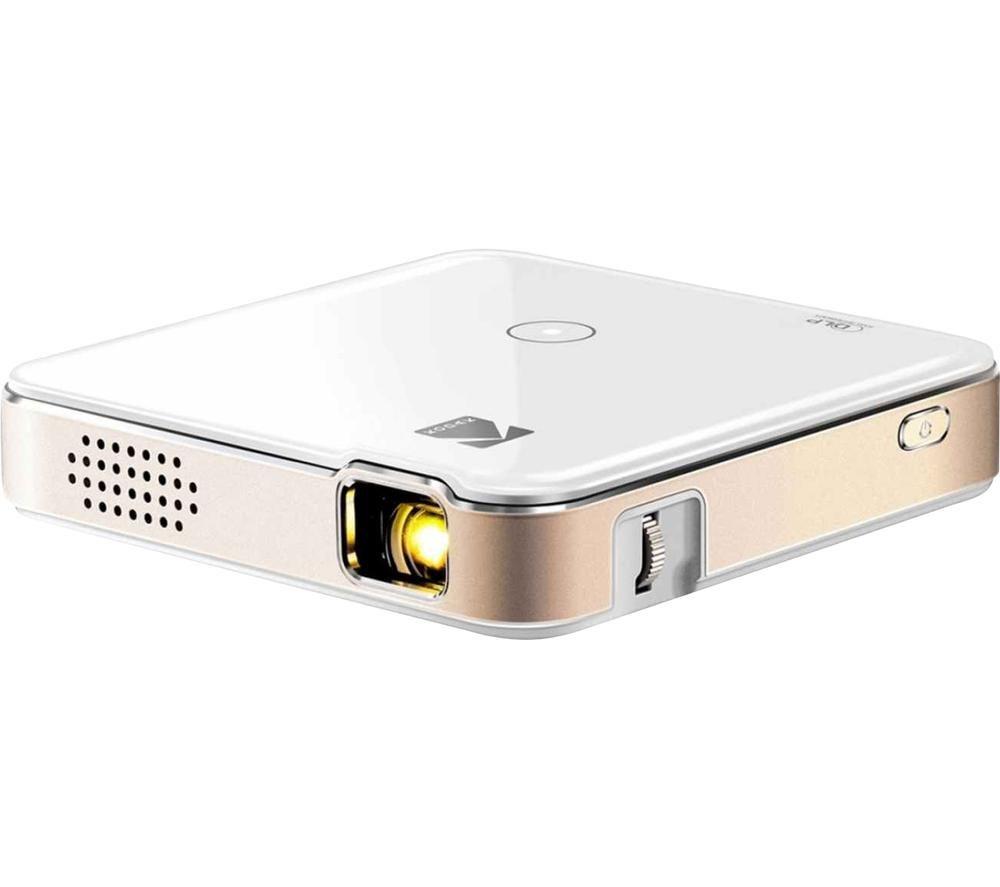
The KODAK Luma 150, a pocket-sized portable projector with built-in speaker, HDMI connectivity, and wireless casting capabilities via Airplay and Miracast.
Genuinely portable: This is the key selling point, and it delivers. We've taken it to client meetings, coffee shop discussions, and even outdoor team sessions. It genuinely fits in a pocket and weighs next to nothing.
Quick setup: From bag to projecting takes under a minute. The wireless casting works reliably with both iOS and Windows devices, which means less fumbling with cables in front of clients.
Surprisingly capable audio: The built-in speaker won't fill a conference hall, but for a small meeting room or huddle space, it's perfectly adequate. We've run presentations and demo videos without needing external speakers.
Versatile connectivity: Having HDMI, USB, and MicroSD options means you're covered regardless of what device you're presenting from. The wireless options are a bonus when they work, not a dependency.
Conversation starter: Clients are genuinely impressed when you pull a projector from your pocket. It sets a professional, prepared tone for meetings.
Brightness limitations: This is a pocket projector, not a boardroom unit. You'll need to dim lights or close blinds for the best image. Bright rooms wash out the projection significantly.
Best for smaller projections: While it can technically project up to 150 inches, the sweet spot is more like 40-60 inches for sharp, readable text in presentations.
Battery life varies: Depending on brightness settings, expect 1.5-2.5 hours of projection time. For longer meetings, keep the charger handy.
Not a cinema replacement: The resolution and contrast are fine for presentations and diagrams but don't expect home cinema quality for video content.
The KODAK Luma 150 fills a specific niche brilliantly: it's a genuinely portable projector that you'll actually carry because it's so compact. It won't replace a proper conference room setup, but that's not the point.
For developers and consultants who find themselves presenting in varied environments - from polished client boardrooms to cramped startup offices - having a pocket projector removes the anxiety of "will there be a screen?" It's one less thing to worry about when you're already focused on delivering a great presentation.
The image quality is good enough for slides, diagrams, and code walkthroughs. The portability is excellent. And the "wow factor" of pulling a working projector from your pocket genuinely impresses clients. For mobile professionals, it's a worthwhile addition to the travel kit.
As an Amazon Associate, we earn from qualifying purchases.
In an age of digital everything, we still find ourselves needing to print more than we'd like to admit. Contracts that need signing, boarding passes for last-minute trips, photos for the office wall, or quick prototypes to review away from the screen. We've been using the Canon PIXMA TS8750 as our office all-in-one, and here's what we've found.
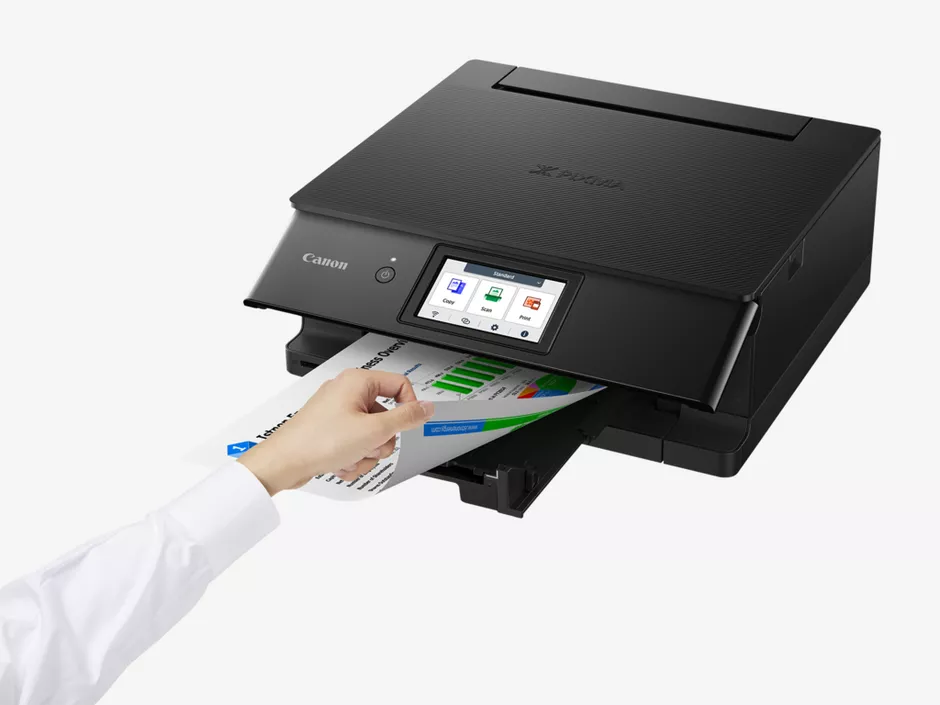
The Canon PIXMA TS8750 Wireless Colour All-In-One Inkjet Photo Printer - a compact unit that handles printing, scanning, and copying with a 6-ink cartridge system designed for superior photo quality.
Photo quality is genuinely impressive: The 6-ink system with dedicated photo blue ink produces prints that look professional. Team photos, event pictures, and portfolio prints all come out with rich colours and smooth gradients.
Wireless printing just works: We've printed from Windows laptops, MacBooks, iPhones, and Android phones without hassle. The setup was straightforward, and it's been reliable on our office network.
Scanning is quick and capable: The flatbed scanner handles documents and photos well. We use it regularly for digitising signed contracts and receipts - much faster than walking to a dedicated scanner.
Compact footprint: For an all-in-one with this capability, it doesn't dominate the desk. The design is clean and fits well in a modern office environment.
SD card printing is surprisingly useful: For quick photo prints without booting up a computer, being able to slot in a memory card and print directly is convenient.
Ink costs add up: The 6-ink system means more cartridges to replace. If you're printing high volumes, running costs are something to factor in. We offset this by using draft mode for internal documents.
Photo paper makes a difference: The impressive photo quality relies on using decent photo paper. Standard office paper works fine for documents but doesn't showcase the printer's capabilities.
Not built for heavy volume: This is a home office/small team printer. If you're printing hundreds of pages daily, you'd want something more industrial.
Initial setup takes time: Aligning print heads and running initial calibration takes longer than you might expect out of the box.
The Canon PIXMA TS8750 strikes a good balance between photo quality and everyday office functionality. The 6-ink system genuinely delivers on photo prints - they look professional enough to frame or share with clients.
For a development team that occasionally needs to print documents, scan contracts, and produce the odd team photo, it handles everything without requiring multiple devices. The wireless printing works reliably, which sounds basic but isn't always the case.
It's not the cheapest to run if you're printing constantly, but for moderate use with occasional bursts of photo printing, the quality-to-convenience ratio is excellent. Our office wall of team photos and printed "shipped" celebrations wouldn't look nearly as good without it.
As an Amazon Associate, we earn from qualifying purchases.
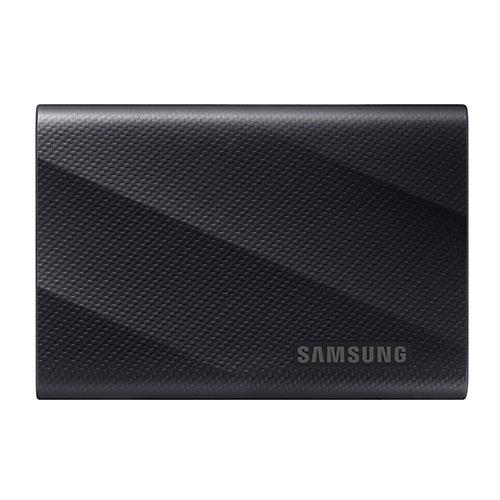
When you're working with large project files, video footage, or need reliable backups that travel with you, storage speed and durability matter. We've been using the Samsung T9 Portable SSD as our go-to external drive, and it's become essential to our workflow.
The Samsung T9 Portable SSD 4TB model - a rugged external solid state drive with USB 3.2 Gen 2x2 connectivity, delivering speeds up to 2,000MB/s and built to survive drops up to 3 metres.
Transfer speeds are genuinely impressive: Moving large video files, project folders, and repository backups happens remarkably fast. What used to take minutes now takes seconds. The 2,000MB/s isn't just marketing - we consistently see speeds close to that with compatible ports.
The durability is reassuring: Working from coffee shops, client sites, and co-working spaces means our gear gets knocked around. The T9's rubber-armoured exterior and drop resistance means we don't panic when it slides off a desk.
4TB is genuinely useful: We keep full project archives, video raw footage, and complete system backups without worrying about space. It's replaced multiple smaller drives in our kit.
Works everywhere: Mac, Windows, Linux - it just works. No reformatting headaches when switching between team members' machines.
Compact despite the capacity: For 4TB, it's surprisingly pocketable. Fits easily in a laptop bag without adding bulk.
You need the right port: To get maximum speeds, you need USB 3.2 Gen 2x2. Many laptops only have standard USB-C, which limits you to around 1,000MB/s - still fast, but not the full potential.
It's an investment: High-capacity, high-speed SSDs aren't cheap. The 4TB model is a significant purchase, though the per-gigabyte cost is reasonable for the performance.
Gets warm under heavy use: Extended large transfers warm up the drive noticeably. It's within safe operating temps, but worth knowing.
The Samsung T9 is the portable SSD for people who actually need the speed and capacity. The 2,000MB/s transfers genuinely change how you work with large files - waiting for copies becomes a non-issue.
The rugged build means it survives life in a laptop bag, and 4TB is enough to stop juggling multiple drives. It's not the cheapest option, but for professionals whose time is worth money, the speed pays for itself quickly.
For our team, it's become the default answer to "how do we move this massive folder?" Fast, tough, and reliable - exactly what portable storage should be.
As an Amazon Associate, we earn from qualifying purchases.
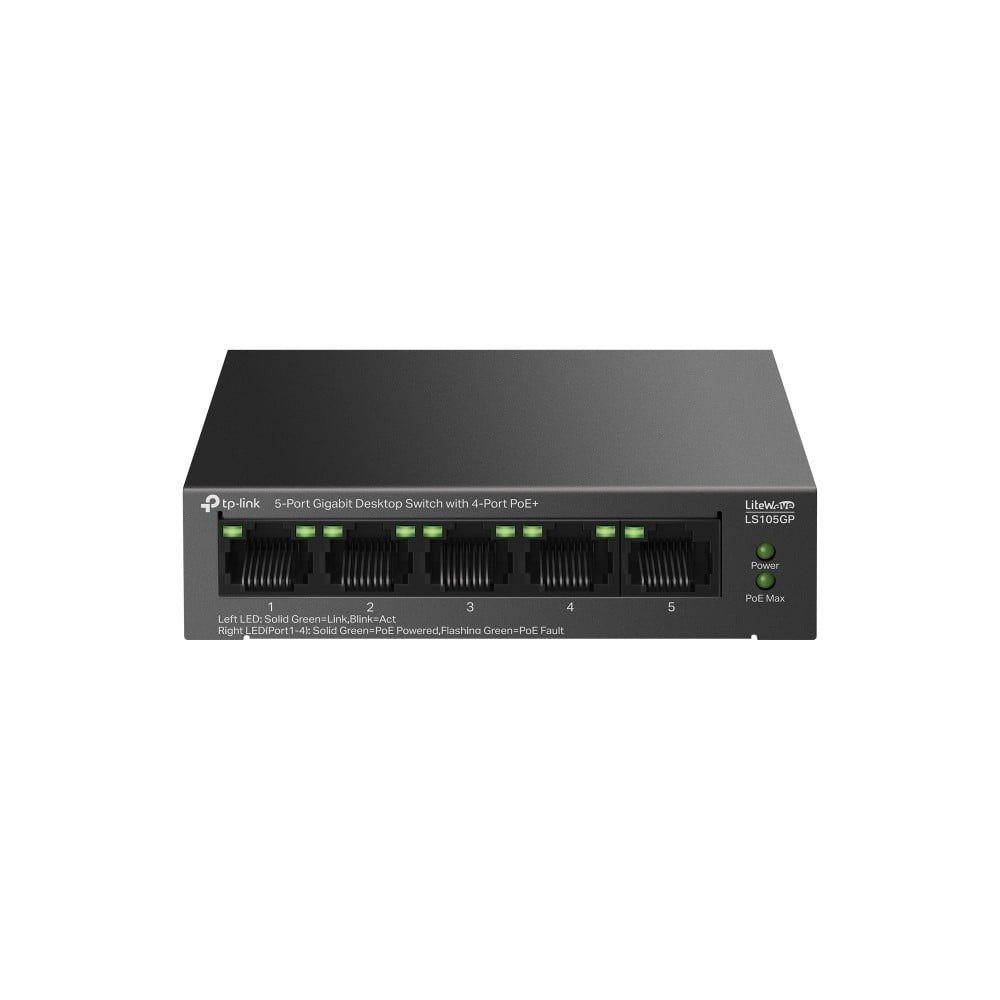
Cable management in a home office or small workspace can quickly become a nightmare. Between IP cameras, wireless access points, and various network devices, power adapters multiply fast. We added a TP-Link LS105GP PoE switch to our setup, and it's simplified things considerably.
The TP-Link LS105GP - a 5-port Gigabit switch with 4 PoE+ ports, providing up to 65W total power budget for connected devices over standard ethernet cables.
Eliminates power adapter clutter: Our IP camera, wireless access point, and VoIP phone now run from single ethernet cables. Three power adapters gone, three cleaner cable runs.
Genuinely plug and play: No software, no configuration, no login portals. Plug in devices, they get power and network. It just works.
The metal case is quality: It feels solid and professional, not like cheap plastic networking gear. The build quality inspires confidence for a device that stays on 24/7.
65W is plenty for small setups: Running an access point (~15W), IP camera (~8W), and still having headroom for more devices. The power budget handles typical home office needs easily.
Compact footprint: Small enough to tuck behind a desk or mount on a wall. Doesn't demand dedicated rack space.
Unmanaged means no advanced features: No VLANs, no QoS settings, no monitoring dashboard. If you need network segmentation or detailed control, look at managed switches.
5 ports fills up fast: With 4 PoE devices and one uplink, you're at capacity. Plan your network needs - you might want the 8-port version.
No PoE on port 5: The fifth port is data-only, typically used for your router uplink. Just worth knowing when planning connections.
The TP-Link LS105GP does one thing well: it powers PoE devices reliably without fuss. No software to wrestle with, no configuration to mess up - just clean, single-cable runs to your devices.
For a home office or small workspace with a few PoE devices, it's ideal. The 65W budget handles typical setups comfortably, and the metal construction feels built to last.
It won't satisfy network enthusiasts who want granular control, but for everyone else who just wants their access point and camera to work without adapter clutter, it's a solid, affordable solution. Sometimes the best networking gear is the kind you set up once and forget about.